We believe thriving farm and food sectors are the heart of healthy, sustainable communities.
We launched InCommon with a clear goal: to work in service of creating more resilient and regionalized food systems that center communities first, not commodities. As advocates for more regenerative and organic food being produced (better for the planet) and accessible (better for the people), we recognize that the ways we connect to our foods and food system is contextual and cultural, and that scaling regeneration requires collaboration that is both deep and broad, interpersonal and intersectional.
With decades of experience in regional food systems and regenerative agriculture, and deep skills sets in strategic communications, storytelling, community engagement, and research, we help create pathways for our clients to thrive.
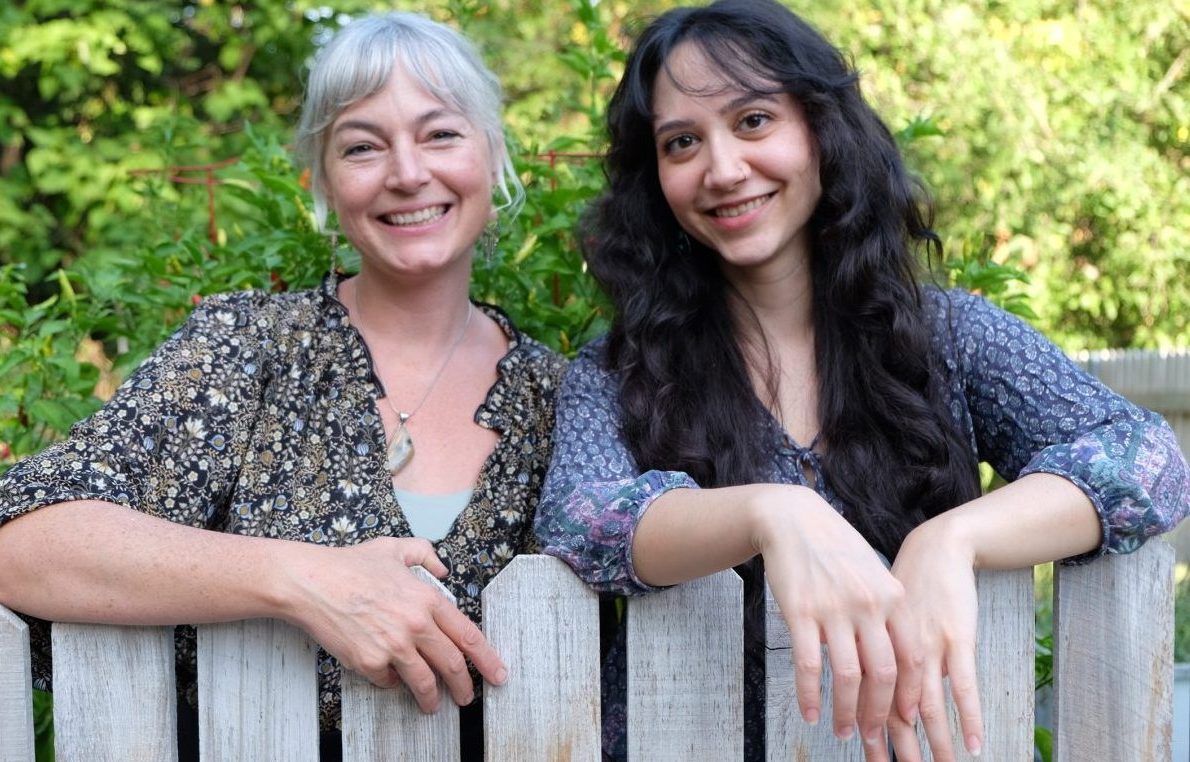
Erica Campbell, Co-Founder
Bio and C.V.
With 25 years of experience in strategic planning, community development, research, and policy in agriculture and food systems, Erica is passionate about building better food ways. From working for the U.S. Senate and guiding national coalitions, to leading local and community-based food system projects, her unique expertise across the food system – from conservation to nutrition – has been a catalyst for positive change.
Erica holds a Master of Science in Community Development and Applied Economics from UVM, and is trained in the Foundations of Dialogue Education.
Ayesha Ali, Co-Founder
Bio and C.V.
A skilled climate & science communicator, Ayesha is committed to engaging broad audiences in the collective development of resilient food and agriculture systems. She has worked in sustainability for more than a decade, from materials and energy to agriculture, most recently leading communications for a national regenerative agriculture coalition advocating for a better Farm Bill.
Ayesha holds a B.A. in Legal Studies from the University of California, Berkeley and an M.A. in Global Environmental History from Uppsala Universitet, where her research centered around agricultural production and global food supply chain policies. Specializing in political ecology, she focuses on situating creative solutions within relevant social, political, and historical contexts.
InCommon Affiliates

Erica Wagner
Erica Wagner Co.

Curtis Ogden
Interaction Institute for Social Change