Every time we sit down to eat, we have the opportunity to make a difference.
-Francis Moore Lappé

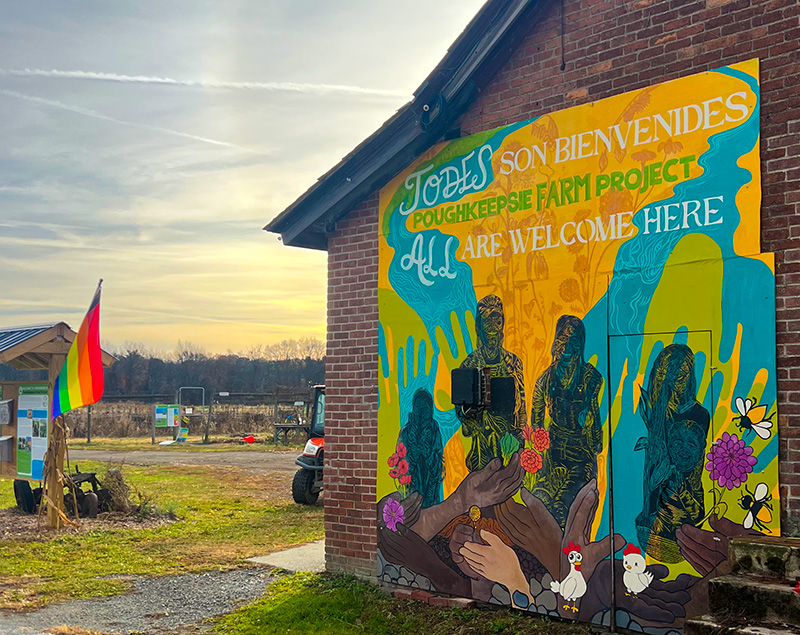
At InCommon, we are passionate about building community-first food systems.
Everyone must eat – if we are lucky, at least once a day we sit down for a meal. Whether at a table or on a bench, alone and hurriedly or over a long conversation with a loved one, we eat and we take part in our food systems.
But our food systems have major problems. They have been designed for large scale output, reliant upon high amounts of chemical inputs to provide a ready supply of cheap materials for processed foods and animal feed. At the same time, food-related health impacts in the U.S. cost billions of dollars each year – diabetes alone costs $327 billion. Industrial agriculture has been recognized as a key contributor to climate change and ecosystem degradation. Consolidation of the food system, resulting in fewer farms with larger acreages and fewer companies controlling markets, has hollowed out rural communities and left urban and peri-urban areas with limited access to healthy food.
In each of these instances, the heavy costs of our food system to our health and the health of our environment and communities are disproportionately being paid for by food-insecure and marginalized communities, here and around the world.
Community-first food systems offer a new perspective on how we can participate in the food system.
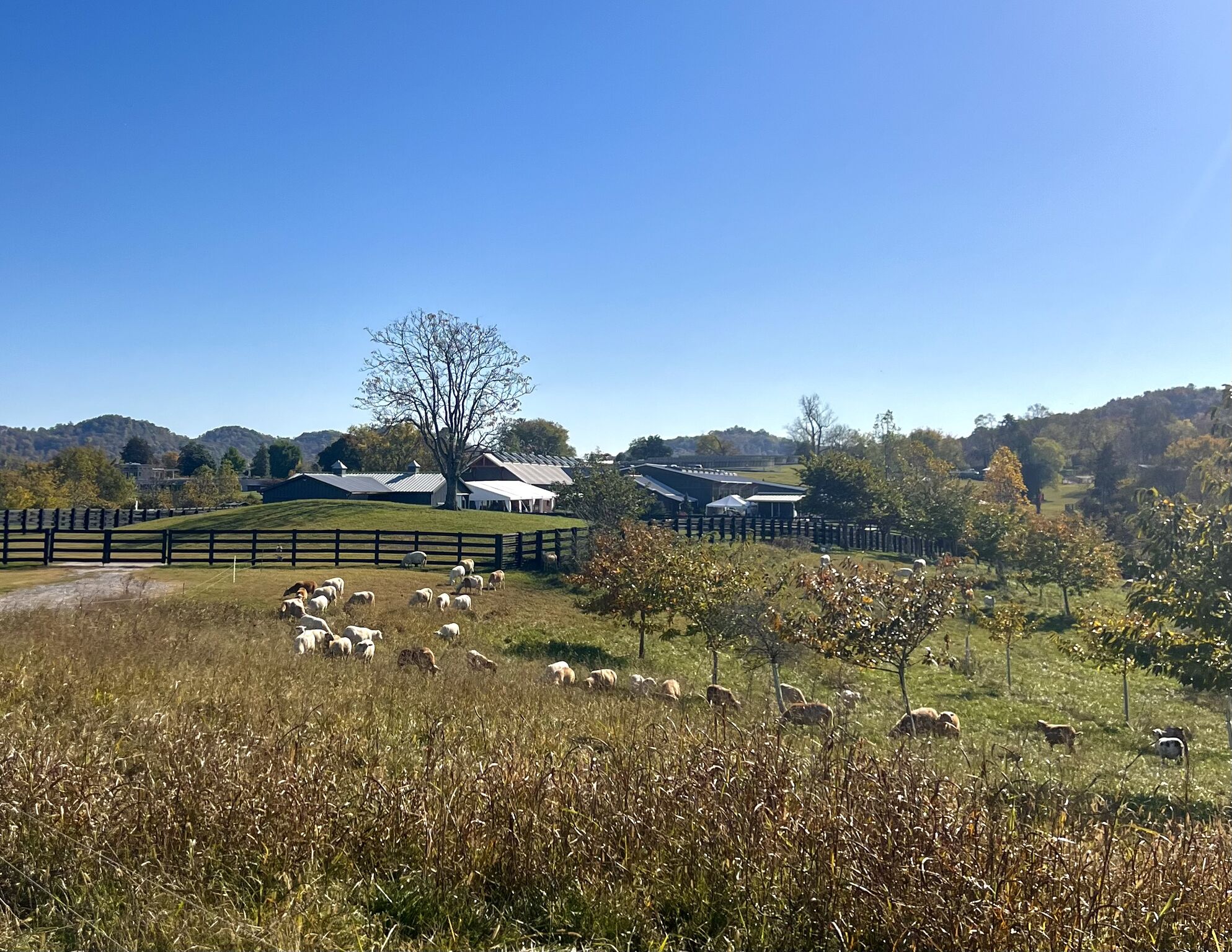
Strong communities sustain our food system, but consolidation threatens their viability. The local food movement began more than 20 years ago, but the COVID pandemic exposed the fragility of our still highly centralized food system, and made many Americans aware of the limitations of regional markets. The loss of markets and high price of farmland means the majority of farmers still struggle to pay the bills and many are forced to seek work off-farm, while the next generation leaves or contends with a lack of affordable acres. We face a dire need for regional supply webs, infrastructure, and markets, access to affordable farmland, and fair pricing that ensures farmers can make a decent living off the land.
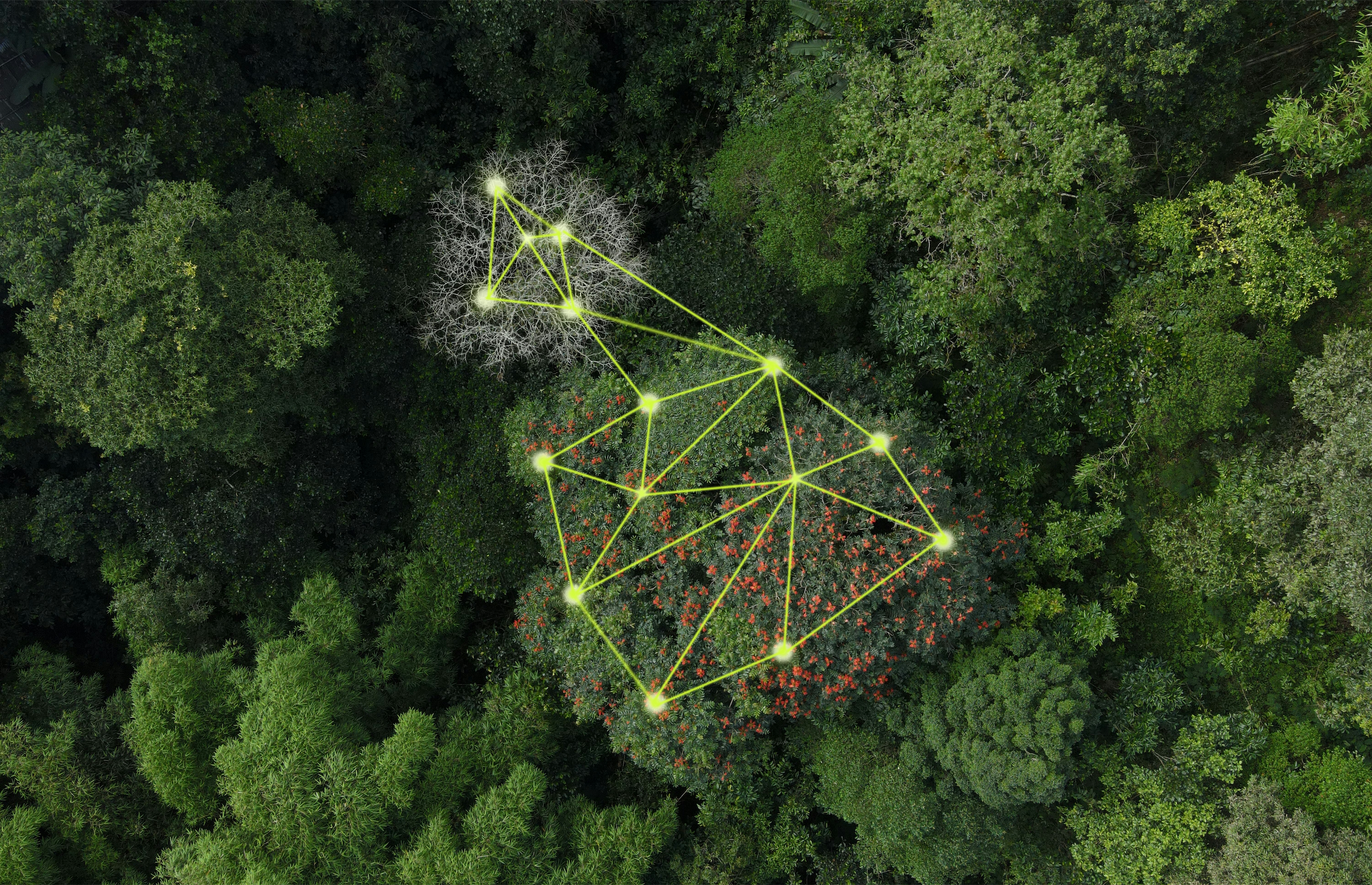
Community must be central in efforts to restore ecological balance, as well. Regenerative agriculture and agroecology have tremendous potential to reduce the impacts of climate change and increase biodiversity. However, without respectful and considered inclusion of local communities and Indigenous communities and leaders, environmental outcomes can be negligible at best and harmful at worst, regardless of the best intentions.
A lack of access to healthy food is also part of the industrial food system design. In 2017, it was figured that 54 million Americans lacked access to healthy food – since the pandemic, that number has likely grown. Nutrient dense, fresh foods that are more expensive (sometimes significantly so) than cheaper, ultra-processed foods are less likely to make it into the diet of the average American. Community-first food systems, from urban gardens to produce prescriptions and local food in schools, can greatly improve access to and affordability of healthier options.
At InCommon, we work across economies of community rather than economies of scale to build community-first food systems.
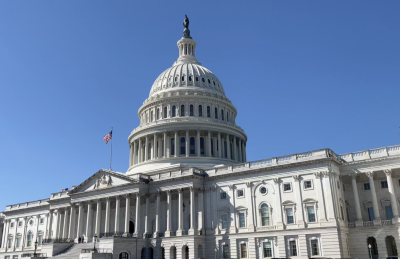
From growing movements and supporting organizations & businesses, to advocating for policy change and telling good stories, our work takes us from from the local level all the way up to national systems. Local changes cannot balance out against federal incentives – we desperately need state and federal policies and programs to support farmers and communities rather than bolstering big ag.
Transforming our food and agriculture system is no small feat, and it will take a powerful, coordinated movement of citizens, consumers, companies, farmers, ranchers, and institutions at local and federal levels to make the shift. But each day, with each meal, we have the opportunity to make a difference.